


 English
 Español
 Portugues
 Pусский
 Français
 Deutsch
 日本語
日本語 한국어
한국어 العربية
 Italiano
 Nederlands
 ไทย
ไทย Türk dili
 हिन्दी
 Indonesia
 Melayu
 Tiếng Việt
 বাংলা
বাংলা




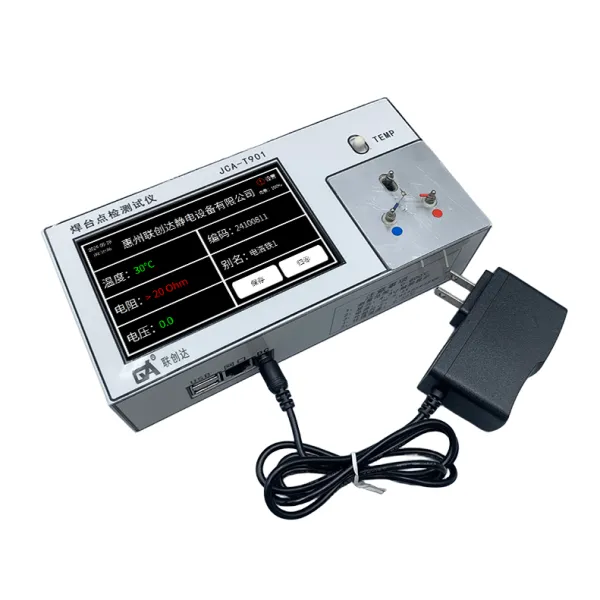
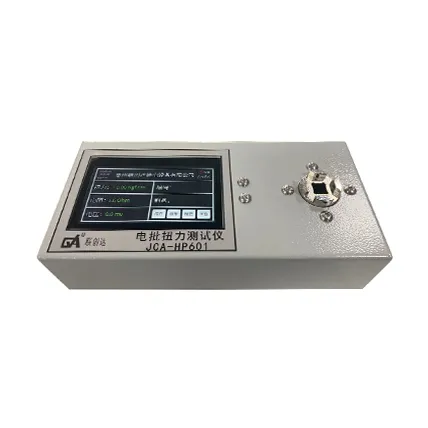
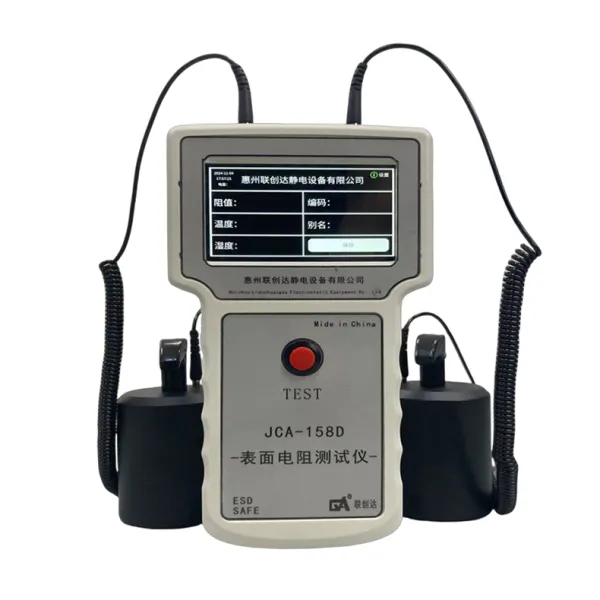
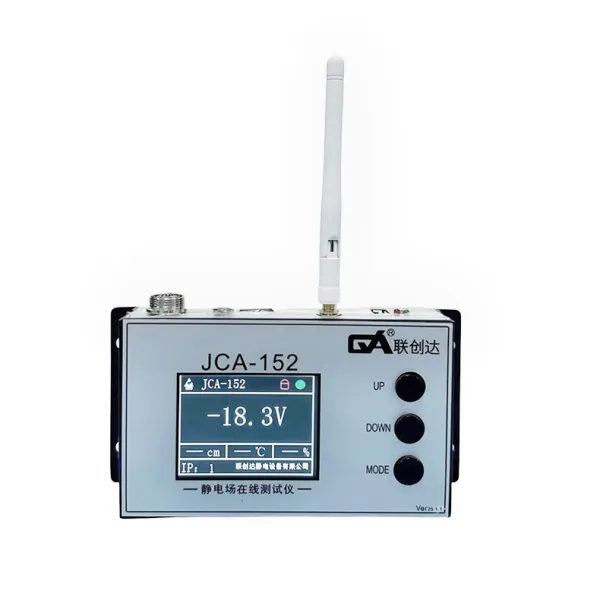








Anti-Static for Industrial Use
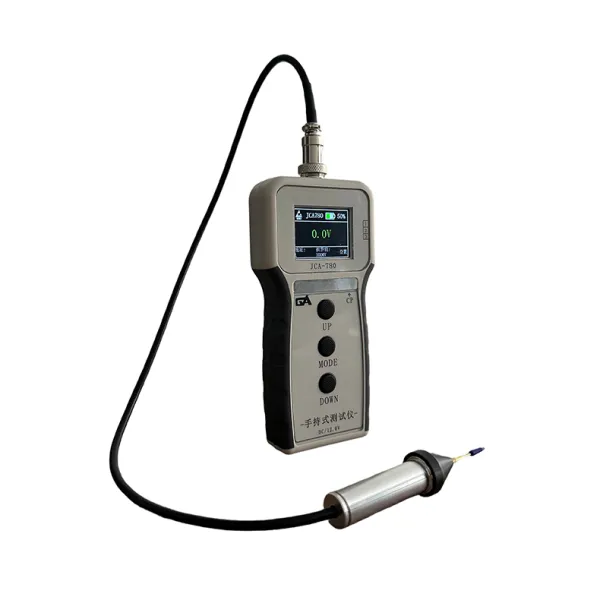
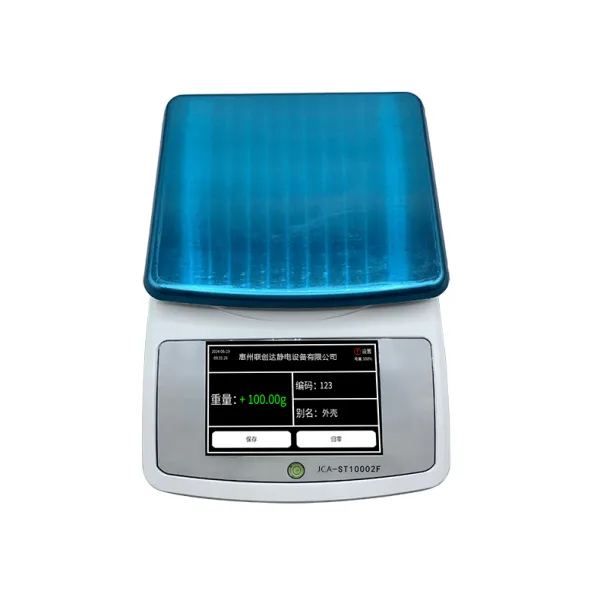
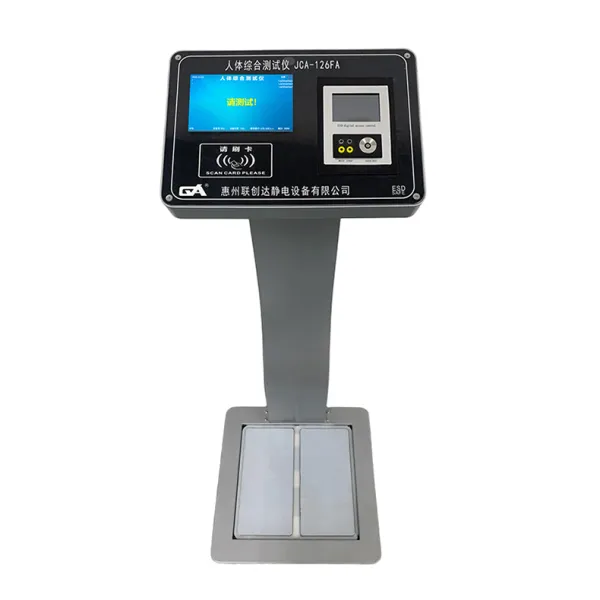
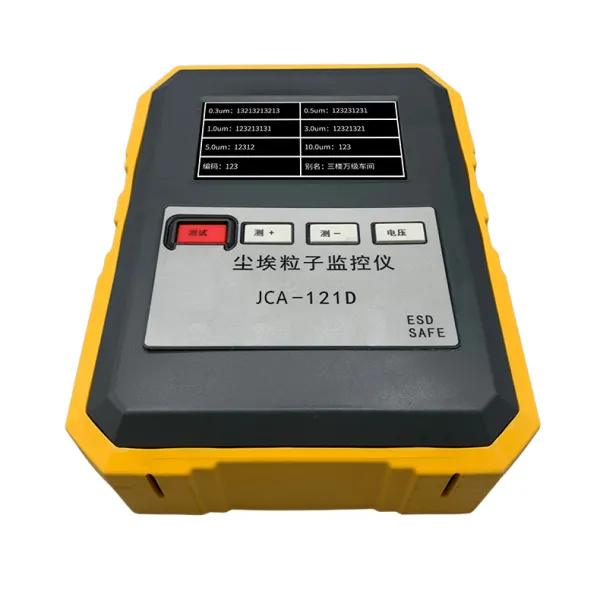
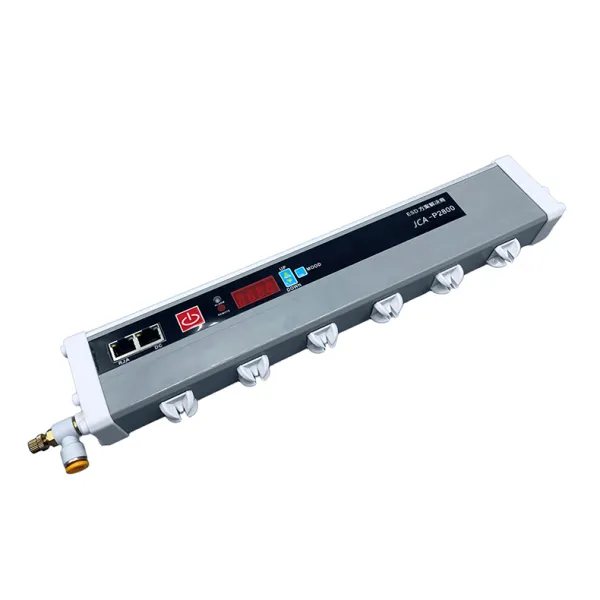
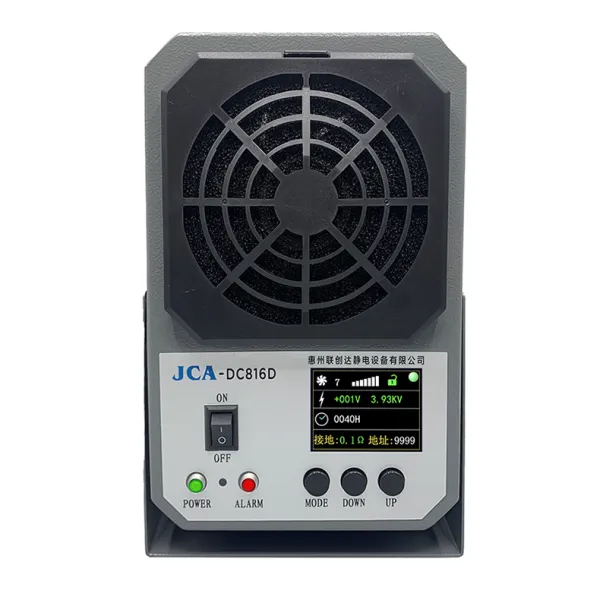
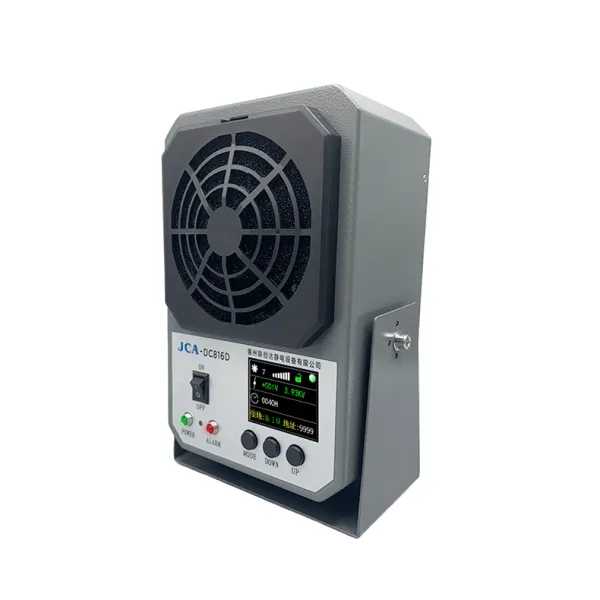
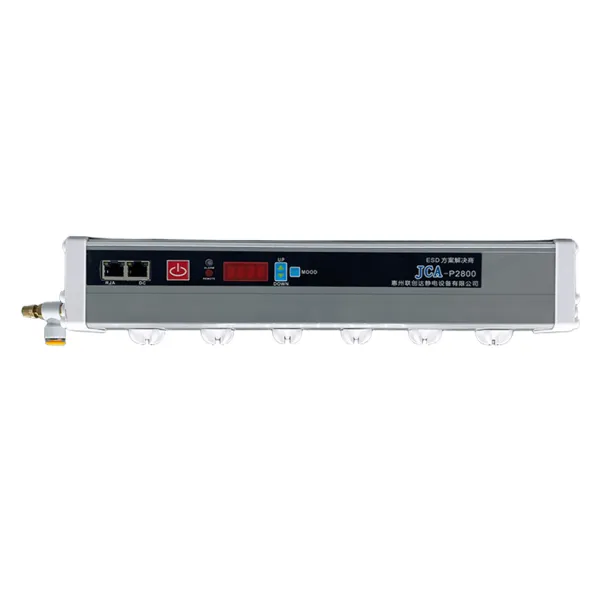
Anti-Static Solutions for Industrial Applications Static electricity poses significant risks in industrial environments, leading to equipment damage, production delays, and even safety hazards such as sparks in flammable atmospheres. Anti-static solutions are essential to mitigate these risks, ensuring operational efficiency and workplace safety. Sources of Static in Industrial Settings Static electricity is generated through friction, separation, or induction, commonly occurring during material handling, conveyor operations, or packaging processes. Industries like electronics, pharmaceuticals, chemicals, and plastics are particularly vulnerable due to the sensitivity of their products and processes. Key Anti-Static Measures 1. Conductive Flooring and Workstations Anti-static flooring, mats, and workbenches dissipate static charges safely to the ground. Conductive materials like carbon-fiber or rubber are used to prevent charge buildup. 2. Ionization Systems Air ionizers neutralize static charges on non-conductive materials (e.g., plastics or textiles) by emitting balanced positive and negative ions. These are critical in cleanrooms or assembly lines. 3. Humidity Control Maintaining optimal humidity (40-60% RH) reduces static generation, as moisture in the air enhances conductivity. Industrial humidifiers are often deployed in dry environments. 4. Anti-Static Clothing and PPE Workers in sensitive areas wear conductive footwear, wrist straps, or garments woven with carbon fibers to prevent electrostatic discharge (ESD). 5. Static-Dissipative Packaging Conductive bags, foams, or containers shield electronic components and chemicals from ESD during storage and transport. 6. Grounding Equipment Proper grounding of machinery, tools, and containers ensures static charges are safely discharged. Regular inspections prevent grounding failures. Industry-Specific Applications - Electronics Manufacturing: Prevents microchip damage during assembly. - Pharmaceuticals: Avoids static-induced contamination in powder handling. - Printing & Packaging: Reduces sheet sticking or misalignment. - Chemical Plants: Minimizes ignition risks in volatile environments. Compliance and Best Practices Adherence to standards like ANSI/ESD S20.20 or IEC 61340 ensures effective static control. Regular audits, employee training, and material testing are vital for sustained protection. Conclusion Implementing robust anti-static measures safeguards equipment, enhances product quality, and protects personnel. A combination of grounding, ionization, humidity control, and ESD-safe materials is key to addressing static-related challenges across industries. Investing in these solutions ensures smoother operations and long-term cost savings.
Produkt
Kategoria:
Brak wyników wyszukiwania!
Wiadomości
Kategoria:
Industry news
Brak wyników wyszukiwania!
Sprawa
Kategoria:
Brak wyników wyszukiwania!
Wideo
Kategoria:
Brak wyników wyszukiwania!
Pobierz
Kategoria:
Brak wyników wyszukiwania!
Rekrutacja
Kategoria:
Brak wyników wyszukiwania!
Polecane produkty
Brak wyników wyszukiwania!



 Whatsapp
 Telefon